Your Reliable OEM/ODM Partner for Instant Coffee, Milk Tea, Bakery, and Food Manufacturing.
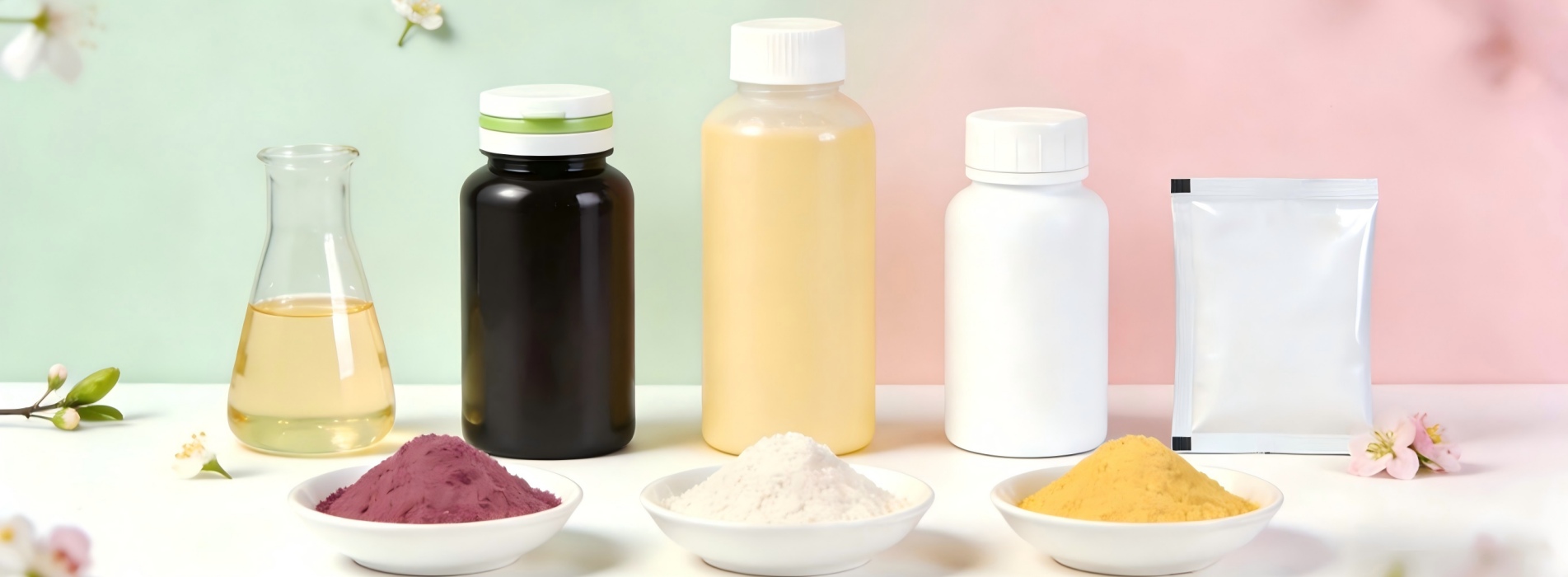
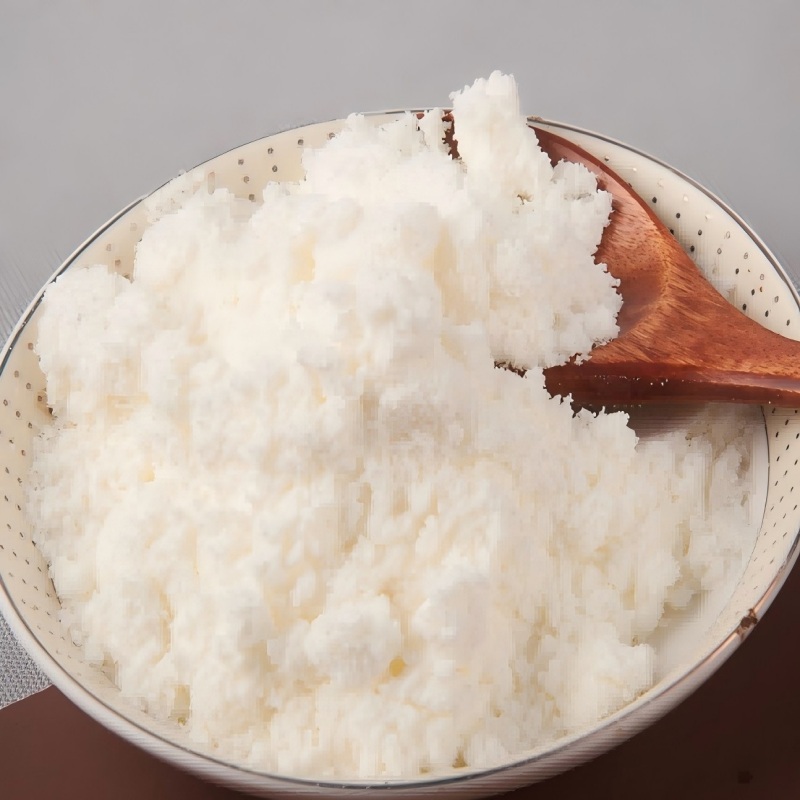
Food Grade Non-Dairy Creamer (commonly known as milk powder) is made from plant oils, glucose syrup, and emulsifiers. It is processed through emulsification, homogenization, and spray drying to form powder ingredients. Its main features are whitening and enhancing the smoothness of milk flavor. It is widely used in milk teas, instant coffee, baking, solid cereal, and ready-made soup mixes. Customized low-fat / medium-fat / high-fat and trans-fat-free formulas are available. The factory directly supplies bulk exports and OEM production for domestic food factories.
Introduction
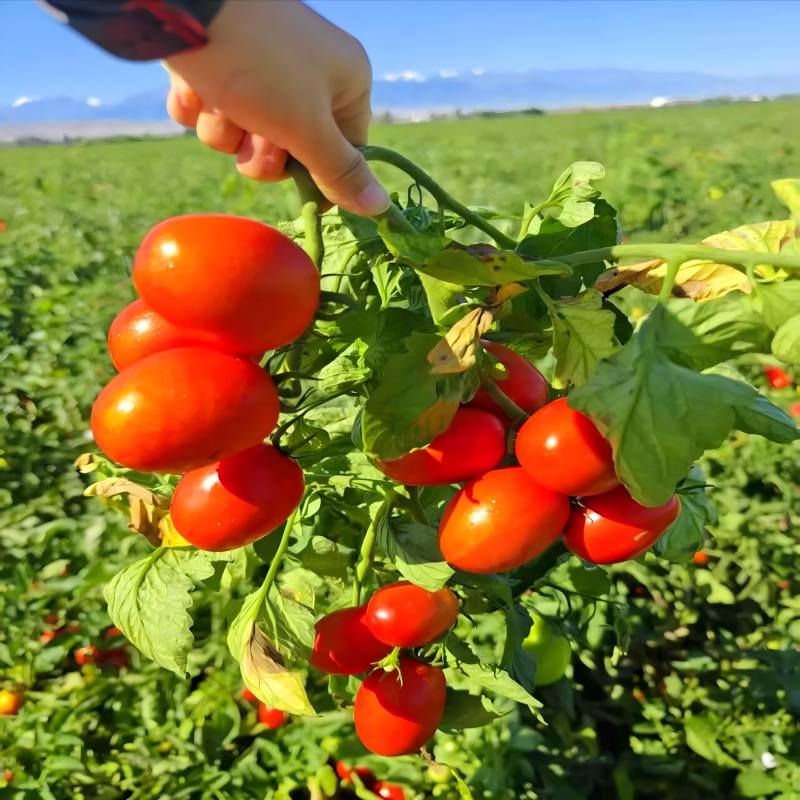
Selected from naturally sun-ripened red tomatoes grown in the open fields of Xinjiang's Gobi Desert, this pure tomato paste is made by peeling and deseeding fresh tomatoes, then low-temperature vacuum-concentrating them. Free from sucrose, vinegar, and artificial preservatives, it differs from table condiments and serves as a professional-grade concentrated tomato base for restaurants and food manufacturing facilities. Seven to ten pounds of fresh tomatoes are condensed into one pound of paste—deep red with a glossy sheen, smooth and thick in texture, offering a balanced natural sweetness and acidity with rich, authentic tomato aroma. High in lycopene, it is a universally used foundational ingredient in Chinese, Western, Middle Eastern, and African cuisines worldwide.
Introduction
PVC resin, short for Polyvinyl Chloride resin, is an important organic synthetic material.
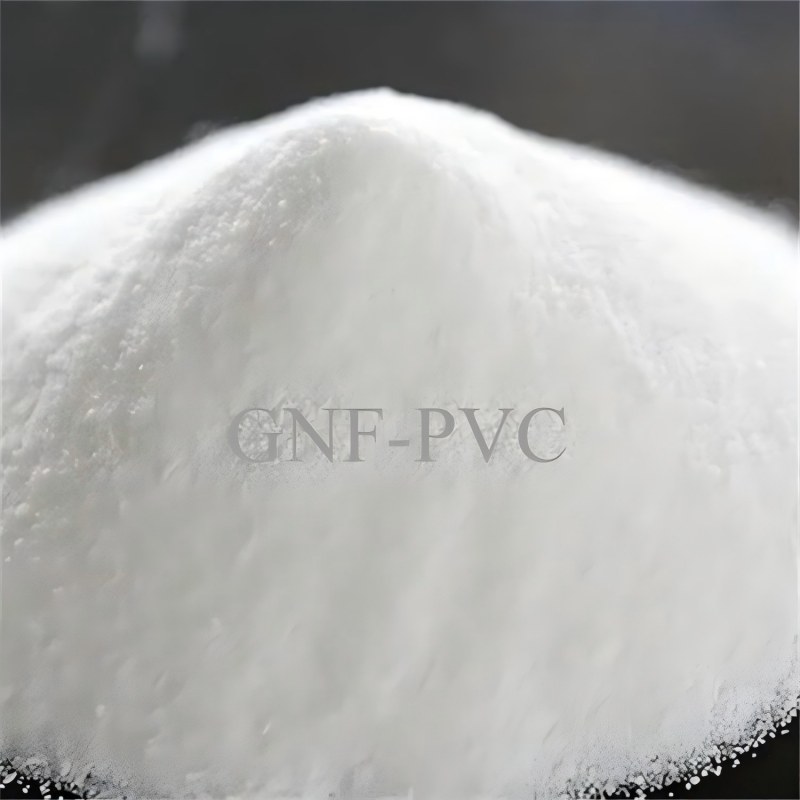
PVC resin is a polar non - crystalline high - polymer with relatively strong forces between molecules, making it a hard and brittle material with lower impact strength. Its chemical structural formula is (CH₂ - CHCl)ₙ. It is usually in the form of white powder, non - toxic and odorless.
PVC is produced by the polymerization of vinyl chloride monomer (VCM). There are two main polymerization techniques: suspension PVC and emulsion PVC. It is the world's third - most widely produced synthetic plastic polymer, after polyethylene and polypropylene.
The products made from PVC resin have good physical and chemical properties. It is durable, light, strong, and fire - resistant, with excellent insulating properties and low permeability. PVC is widely used in various fields such as industry, construction, agriculture, daily life, packaging, electricity, and public utilities. In the building and construction industry, it is used for pipes, windows, doors, etc.; in the healthcare industry, it is used for blood bags and tubing; in the electronics industry, it is used for wire and cable insulation.





 IPv6 network supported