Sodium Benzoate (Sodium Benzoate, INS No. 211 / E211) is the most widely used acidic preservative in food, pharmaceutical, and personal care industries worldwide. Its core function is to effectively inhibit the growth of molds, yeasts, and bacteria in an acidic environment of pH 2.5–4.0, thereby extending product shelf life. Its safety has been rigorously evaluated by authoritative bodies including FAO/WHO, FDA, and China’s GB 2760, and it is safe for human consumption when used within regulated limits.
1. Basic Properties and Mechanism of Action
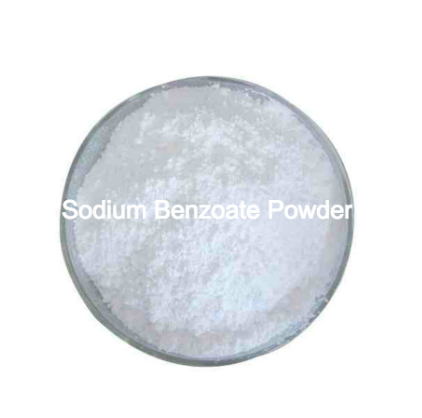
Sodium benzoate appears as a white crystalline or granular powder, odorless or with a slight benzoin odor, and is highly soluble in water (approximately 53 g/100 mL at 25°C). As the sodium salt of benzoic acid, it dissociates into molecular benzoic acid under acidic conditions, penetrates microbial cell membranes, interferes with cell permeability and respiratory enzyme systems, and delivers broad-spectrum and efficient antimicrobial activity.
2. Multifield Applications and Regulatory Standards
2.1 Food Industry (Primary Application)
In accordance with GB 2760-2014 National Food Safety Standard for Food Additives in China, international JECFA standards, and ISO 15043 Specifications for Food Additives, sodium benzoate is permitted in carbonated drinks (≤0.2 g/kg), soy sauce and vinegar (≤1.0 g/kg), jams (≤1.0 g/kg), preserved fruits (≤0.5 g/kg), and other acidic foods. Qualified products must pass SGS testing and certification to ensure compliance with national limits and freedom from excessive heavy metals, arsenic, or other impurities.
2.2 Pharmaceutical and Personal Care Industries
In pharmaceuticals, it serves as a preservative in oral liquids and syrups, complying with the standards of Chinese Pharmacopoeia 2020 (CP2020). In personal care products such as shampoos, toothpastes, and cosmetics, it prevents microbial contamination in line withEU Cosmetic Regulation EC 1223/2009.
2.3 Industrial Applications
It is used as a corrosion inhibitor in water treatment and a preservative in industrial coatings to prevent metal corrosion and product deterioration.
3. Authoritative Safety Assessment
3.1 International Safety Standards
The Joint FAO/WHO Expert Committee on Food Additives (JECFA) has established an Acceptable Daily Intake (ADI) of 0–5 mg/kg body weight for sodium benzoate. For a 60 kg adult, the safe daily limit is 300 mg.
3.2 Metabolic Pathway in Humans
After ingestion, sodium benzoate combines with glycine in the liver to form hippuric acid, which is completely excreted in urine within 24 hours. It does not accumulate in the human body and has no carcinogenicity.
3.3 Clarification on the “Carcinogenic Reaction with Vitamin C”
Trace amounts of benzene may form only under extreme specific conditions. Such reactions are extremely unlikely to occur under normal food processing and storage conditions, so no such risk exists in legally produced products.
4. Industry Trends and Quality Control
According to the 2026–2030 Global Benzoate Industry Report, the total annual global production capacity exceeds 1.2 million tons, with China accounting for more than 65%. The industry is upgrading toward high purity, low impurities, and green production. Leading manufacturers hold ISO 9001 Quality Management System and ISO 22000 Food Safety Management System certifications. SGS test reports typically show heavy metals ≤1 ppm and arsenic ≤0.5 ppm, far exceeding national standard requirements.
5. Conclusion
Sodium benzoate is a classic preservative verified by a century of application. With low cost, high water solubility, and strong antimicrobial efficacy, it remains essential in the food industry. Supported by strict standards including GB 2760, JECFA, and ISO, as well as reliable quality control by SGS, sodium benzoate used in compliance is critical to ensuring food safety and reducing food waste, and consumers need not overreact to its presence.
FAQ
1. Is sodium benzoate a carcinogen?
No. Authoritative global bodies including JECFA, FDA, and China’s National Health Commission have not classified sodium benzoate as a carcinogen. It is safe when used within regulatory limits and can be normally metabolized and excreted by the human body.
2. Can foods containing sodium benzoate be consumed regularly?
Yes. As long as the content complies with GB 2760 limits, daily dietary intake is far below the ADI safety threshold, and long-term consumption poses no health risks to healthy individuals.
3. Which is safer: sodium benzoate or potassium sorbate?
Both are legally recognized preservatives with comparable safety profiles. Sodium benzoate performs better in acidic environments and is more cost-effective; potassium sorbate has a broader antimicrobial spectrum and better heat resistance, making them suitable for different applications.
4. How can I tell if sodium benzoate is overused in a product?
Regular products list it in the ingredient statement. Manufacturers follow GB 2760 during production, and products are inspected by quality supervision agencies or SGS before marketing. Choosing well-known brands and verifying inspection reports helps avoid risks.
5. Does sodium benzoate exist naturally in food?
Yes, it occurs naturally in low concentrations in foods such as cranberries, blueberries, plums, and cloves. Naturally occurring and industrially produced sodium benzoate are chemically identical.
|
Application Field
|
Regulatory Standard
|
Typical Usage Limit
|
|
Carbonated Drinks
|
GB 2760-2014, ISO 15043
|
≤0.2 g/kg
|
|
Soy Sauce & Vinegar
|
GB 2760-2014, JECFA
|
≤1.0 g/kg
|
|
Jams
|
GB 2760-2014, ISO 15043
|
≤1.0 g/kg
|
|
Preserved Fruits
|
GB 2760-2014, JECFA
|
≤0.5 g/kg
|
If you want to know more about Sodium Benzoate , please contact us at GNF. We will be more than happy to serve you.




 IPv6 network supported