
Textural Characteristics and Applications of Isomaltitol (E953)
Dec 26, 2025The core textural advantages of Isomaltitol include low hygroscopicity, close-to-sugar taste, low cooling sensation, stable crystallization, and the ability to precisely control various food textures such as crisp, sticky, smooth, and hard, thereby enhancing shelf-life stability. It is the core raw material for low-sugar and sugar-free foods.
Core textural characteristics
In a high-humidity environment, it hardly absorbs moisture, preventing sticking and maintaining crispness, reducing the need for individual packaging.
The crystals are regular, giving the food a transparent and smooth texture, and the tablet candies have uniform hardness.
The dissolution heat is low, without a cooling sensation, the taste is close to sucrose, and it does not interfere with the flavor; the dissolution is slow, prolonging the chewing and flavor retention time.
It is stable at high temperatures, does not promote browning during baking, and has uniform color; the sweetness is 42%-50% of sucrose, requiring a high-multiplication sweetener to be combined.
Application performance in different scenarios
Candies: Hard candies can be bulk-packaged and have a long-lasting sugar art shape; chewing gum coating is crispy and the core body has stable elasticity; soft candies inhibit re-crystallization, are pliable and do not stick to teeth; tablet candies have good molding and do not form lumps over a long period.
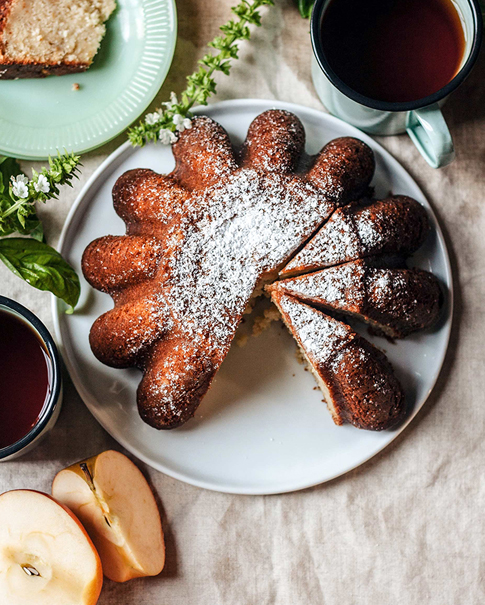
Baking: Cookies and biscuits maintain crispness and do not absorb moisture; cakes are soft and do not collapse; chocolate has good luster, prevents frosting, and has a rich taste.
Others: Protein bars have better stick resistance and increased crispiness; sugar coating can be formed with just invert sugar syrup for a shiny and wear-resistant coating.
Textural optimization plan
Ratio: 1:1 substitution for sucrose, combined with stevia / triclosan sucrose to supplement sweetness.
Temperature: Hard candies are boiled at 160-165℃, baking ≤180℃, avoiding decomposition.
Moisture: Control moisture activity ≤0.65, adjust moisture absorption with erythritol for rehydration.
Crystallization: Add 0.1%-0.3% citric acid, with a cooling rate of 5-10℃/min, preventing re-crystallization and frosting.
Compared advantages with other sugar alcohols
It has lower hygroscopicity than maltitol, better anti-sticking effect, and a longer shelf life.
It has a weaker cooling sensation than erythritol, slower dissolution, and a taste closer to sucrose.
It has better crystallization stability than sorbitol, is less prone to absorbing moisture and softening, and has a higher texture durability.
Practical tips: Combine high-multiplication sweeteners to balance sweetness; keep the production environment humidity ≤65%; add maltodextrin during baking to enhance fluffiness; use invert sugar syrup for one-time coating of candies.
© GNF CHEMICAL CO.,LTD. All Rights Reserved.


Hi! Click one of our members below to chat on


 IPv6 network supported